


SFDA CEO: AI Contributes to Drug Development and Enhances Regulatory Efficiency

H.E. Dr. Hisham S. Aljadhey, CEO of the Saudi Food and Drug Authority (SFDA), affirmed that artificial intelligence (AI) contributes to accelerating the delivery of medicines to patients by supporting drug development and discovery. By simulating clinical trials, AI enables medicines to enter the market in a shorter time and at a lower cost, shortening a process that traditionally takes several years.
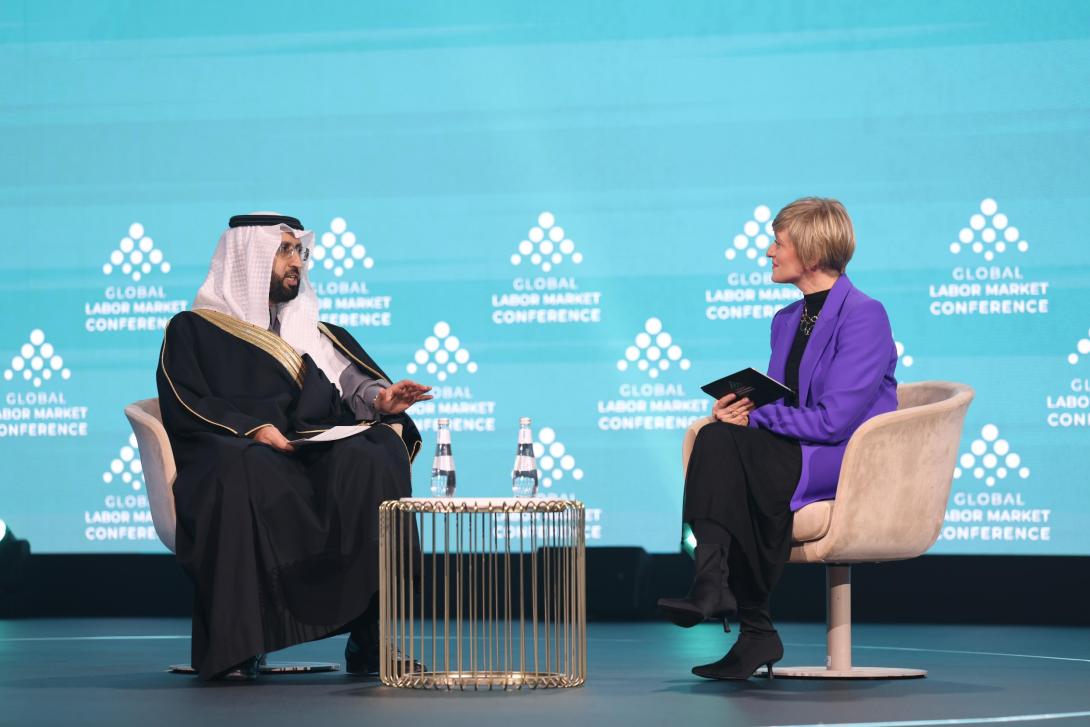
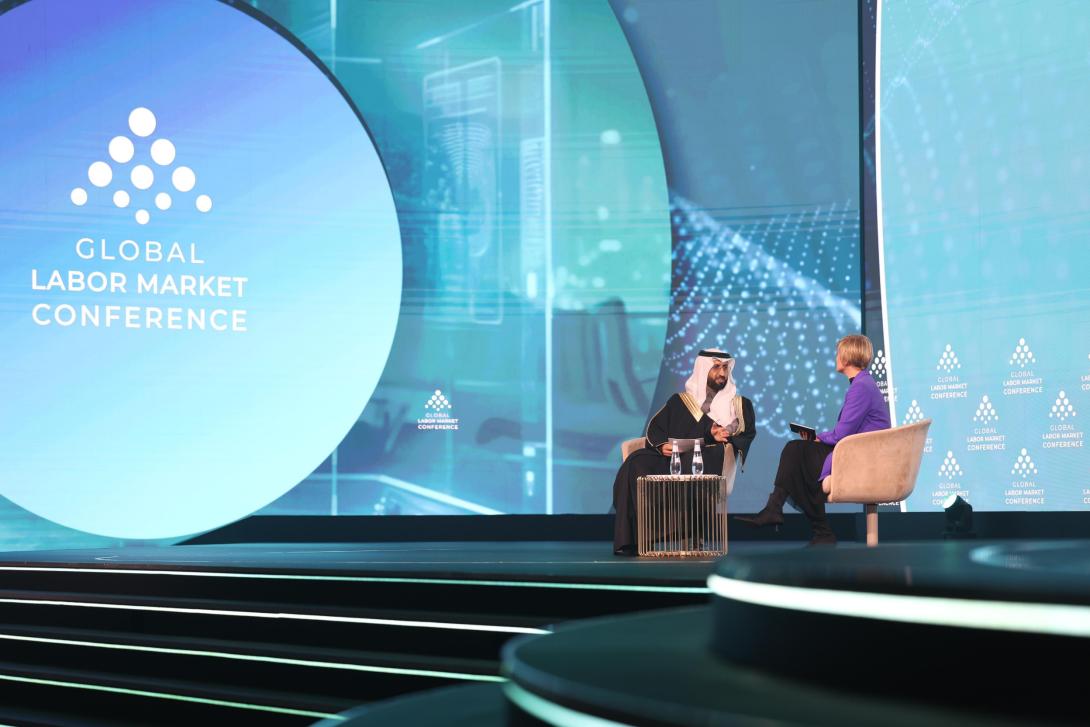
During his participation in a session titled “Human Progress and the Future of Work,” at the Global Labour Market Conference (GLMC), Dr. Aljadhey explained that AI will enhance the efficiency of the SFDA by streamlining the approval processes for medical devices, medicines, and food products. He noted that AI contributes to the development of these products, granting the Authority greater flexibility in their evaluation and adoption.
Dr. Aljadhey said: “We launched the SFDA Artificial Intelligence Laboratory (SAIL) last year, through which we are working to integrate all relevant emerging innovations. We have also developed a digital twin that supports regulatory efforts, allowing us to compare its outputs with our operations. We believe that artificial intelligence represents the future, as it will contribute to improving the economy and public health; enhance operational efficiency; and provide our employees with more time to focus on critical thinking and practical training.”
He pointed out that AI will not replace humans; rather, it should serve as a supportive tool for the work being carried out, utilized to enhance performance effectiveness and ensure the quality of outcomes.
Dr. Aljadhey stressed the importance of equipping employees with appropriate skills and ensuring they possess foundational knowledge of AI. This is not limited to technical or programming expertise, but extends to understanding practical applications and data analysis. He noted that building a culture of adaptation to AI begins with leaders and is reflected across all employees, enabling them to effectively utilize this technology.

评论与建议
如对政府服务有任何咨询或意见,请填写所需信息。