


SFDA: Consuming Large Amounts of Caffeine After Iftar Has Negative Effects

<p>To avoid symptoms linked to excessive caffeine consumption, the Saudi Food and Drug Authority (SFDA) encouraged consumers to moderate their coffee consumption after Iftar.<br />
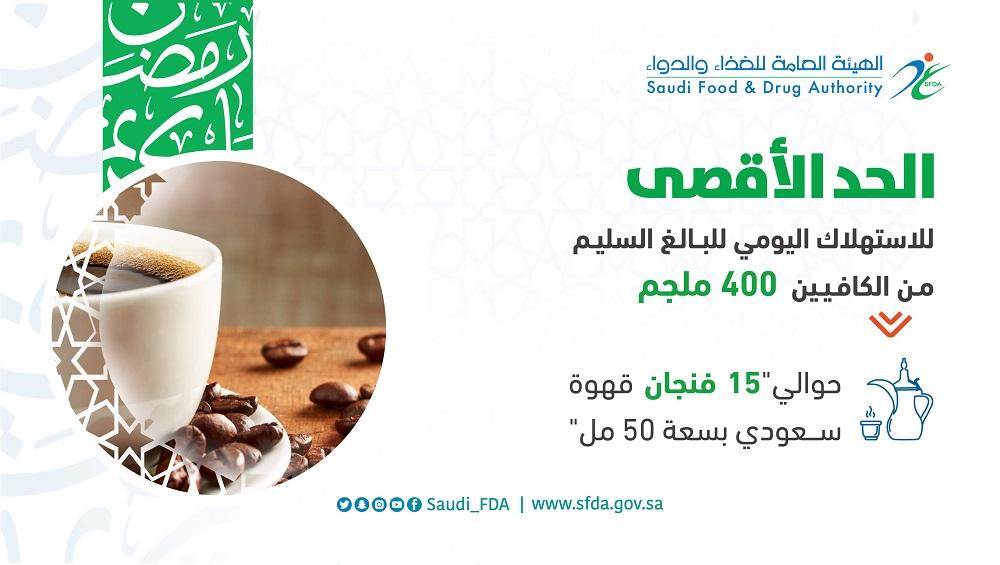
The SFDA stated that excessive coffee consumption during Iftar is likely to be harmful to the health of the fasting person. For a healthy adult, the recommended daily caffeine intake is no more than 400 mg, or about 15 cups of Saudi coffee with a capacity of 50 ml, while pregnant women are advised to consume no more than 300 mg daily.<br />
The SFDA emphasized the significance of avoiding excessive coffee intake during Ramadan due to the associated symptoms of insomnia, a quick heartbeat, and frequent urination, which causes the body to lose vital fluids and occasionally results in headaches.<br />
The SFDA further stated that the month of Ramadan is a good time to cut back on excessive caffeine intake without risking negative side effects. This is because reducing suddenly could result in caffeine withdrawal symptoms including headaches, anxiety, and nervousness.</p>

Comments and Suggestions
For any inquiries or comments about the government services, please fill in the required information.