


SFDA Warns of Three Bacteria Threatening Food Safety and Potential Poisoning

The Saudi Food and Drug Authority (SFDA) has warned against three types of bacteria that may cause food poisoning and negatively affect consumer health. This initiative aligns with the SFDA's ongoing efforts to enhance public awareness concerning the adoption of proper health practices to prevent such illnesses.
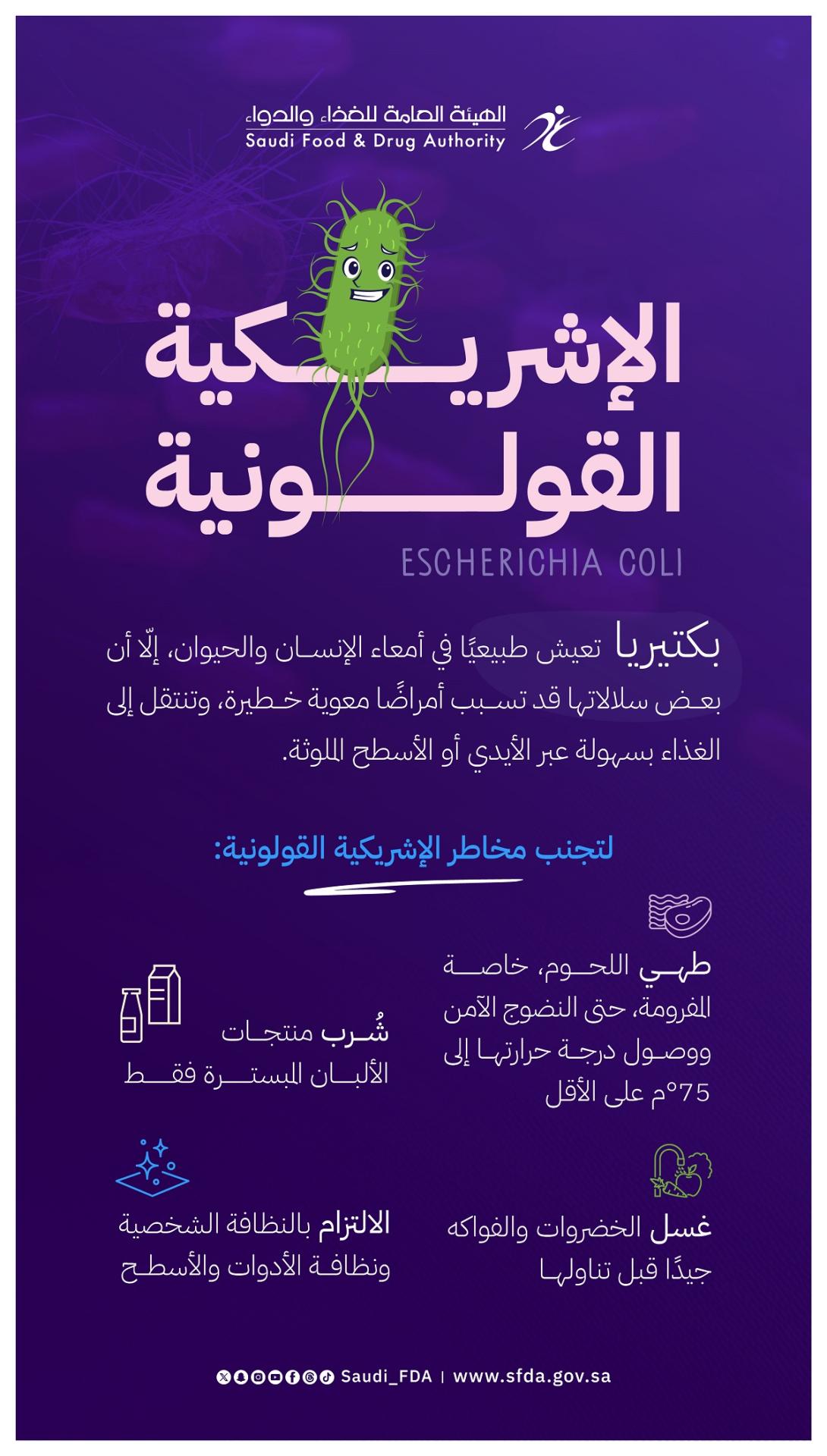
The SFDA identified Escherichia coli (E. coli) as a significant cause of foodborne illness. While this bacterium naturally lives in the intestinal tracts of humans and animals, certain strains can lead to severe intestinal infections. Transmission to food can occur through contaminated hands or surfaces. To prevent E. coli infection, the Authority recommends cooking meat, especially ground meat, to reach an internal temperature of at least 75°C; consuming only pasteurized dairy products; maintaining personal hygiene; sanitizing all food-contact surfaces and utensils; and washing fruits and vegetables thoroughly.
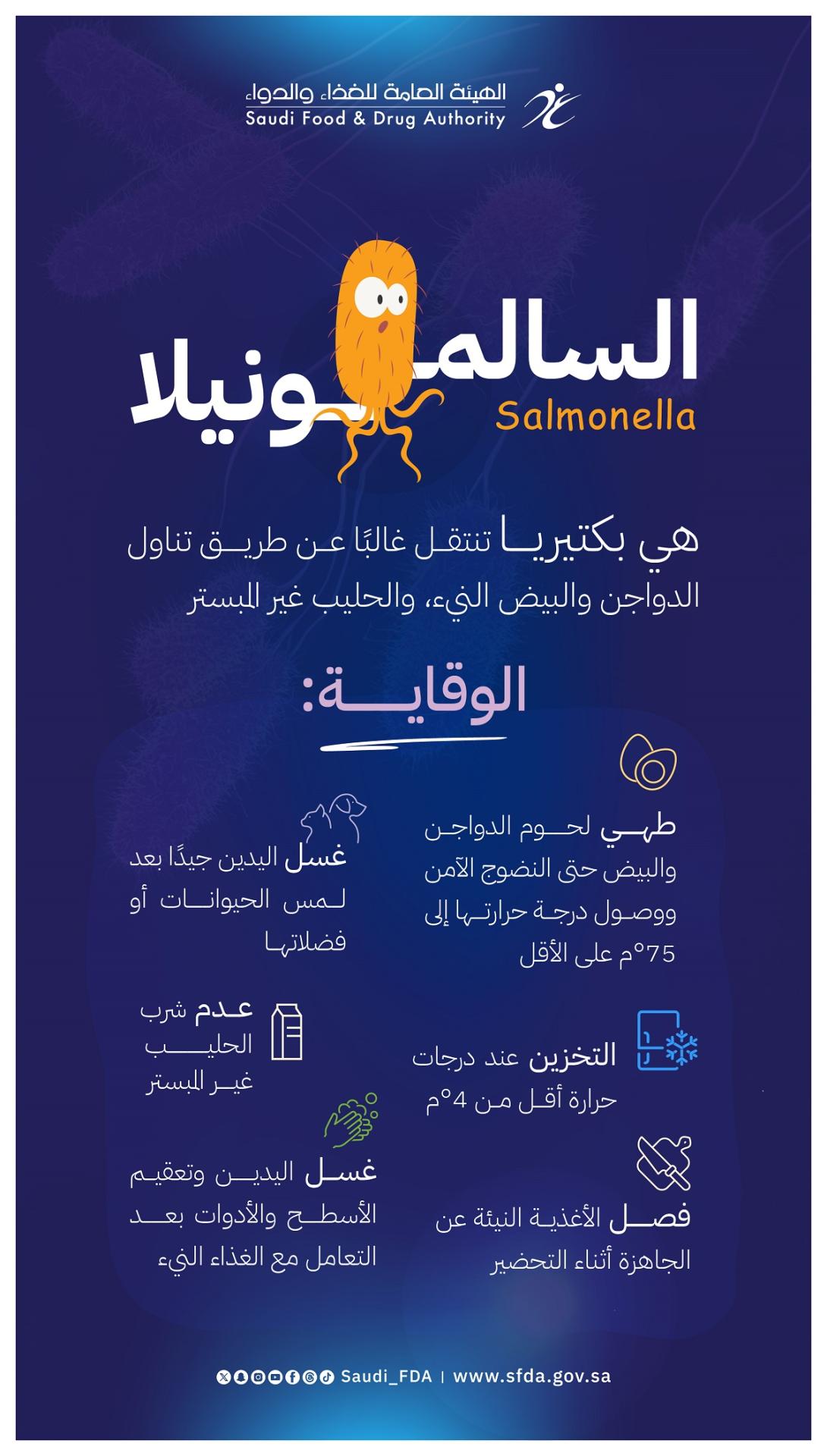
The SFDA also highlighted Salmonella as a bacterium capable of causing food poisoning, often transmitted through the consumption of raw poultry, unpasteurized milk, or raw eggs. The SFDA emphasized that prevention begins with cooking meat and eggs to reach an internal temperature of at least 75°C and storing food at a temperature below 4°C. It is also important to separate raw foods from ready-to-eat foods during food preparation, to avoid consuming unpasteurized milk; to sanitize hands, surfaces and utensils after handling raw food; and to wash hands thoroughly after any contact with animals or their waste
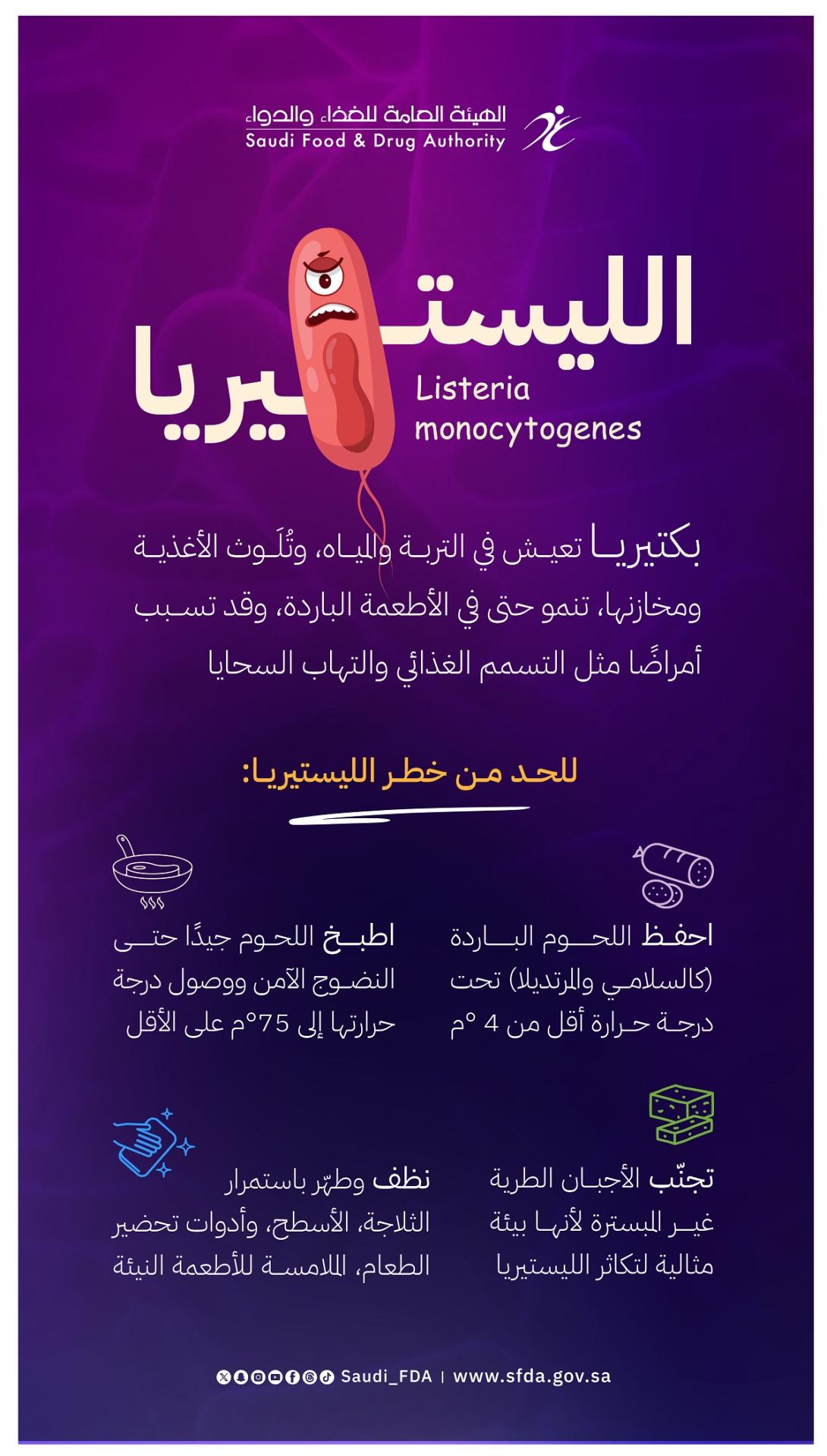
Furthermore, Listeria monocytogenes was included in the warning. This bacterium can be found in soil and water and may contaminate food processing or storage environments, especially in refrigerated foods such as ready-to-eat meats and soft cheeses. The SFDA recommended precautionary measures including storing cold meats, such as salami and mortadella, at temperatures below 4°C; cooking meat thoroughly to reach an internal temperature of at least 75°C; avoiding consuming unpasteurized soft cheeses; and regularly cleaning and sanitizing refrigerators and all food-contact surfaces and utensils.
In conclusion, this warning underscores the critical importance of adhering to proper food handling, preparation, and storage practices to mitigate the risks associated with these three common foodborne bacteria.





Comments and Suggestions
For any inquiries or comments about the government services, please fill in the required information.